Solid or Engineered Hardwood? What to Know Before You Install
Hardwood adds long-term value to a home, but solid and engineered aren't the same product. Here's how to tell which one fits your space.
September 23, 2026 · 3 min read
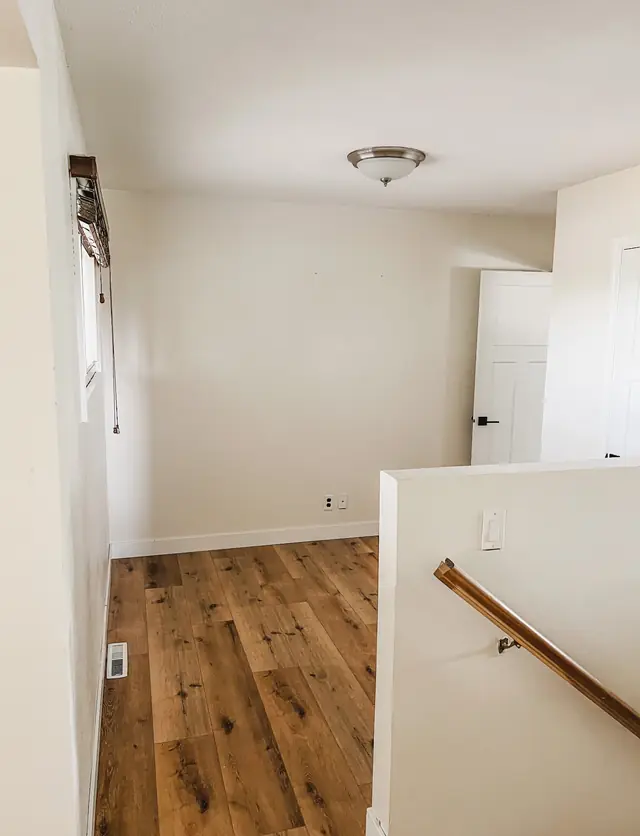
Hardwood is one of those floors that never really goes out of style, and we carry and install both solid and engineered hardwood for homeowners across Mapleton, Onawa, Sioux City, Denison, and the surrounding towns. The two look nearly identical once they're down, but they're built differently, and that difference matters when you're deciding where hardwood belongs in your home. Here's how we walk customers through the choice during a free in-home estimate.
Solid Hardwood
Solid hardwood is exactly what it sounds like: a single piece of wood, milled to a consistent thickness, top to bottom. It's the traditional choice, and it can be sanded and refinished multiple times over its life, which is part of why it holds long-term value so well. The tradeoff is that solid wood expands and contracts more with humidity and temperature swings than an engineered board does, so it needs a stable environment to perform its best over the years.
- Can be sanded and refinished several times over its lifespan
- A traditional, all-wood build that many homeowners want by name
- Reacts more to humidity and temperature swings than engineered options
- Best suited to rooms with stable, controlled conditions
Engineered Hardwood
Engineered hardwood has a real hardwood veneer on top, bonded to layers of plywood or fiberboard underneath. That layered core makes it more dimensionally stable than solid wood, so it handles the kind of temperature and humidity shifts a Mapleton-area home sees across an Iowa year without moving as much. It's also a practical option over certain subfloors, including some where solid hardwood isn't recommended at all.
- More stable across humidity and temperature changes
- A real wood surface layer, not a printed or laminate look
- Works over a broader range of subfloors than solid hardwood
- Can typically be refinished, though fewer times than solid wood
Where Hardwood Works Best
Hardwood, solid or engineered, is built for living spaces above grade: living rooms, dining rooms, bedrooms, hallways, and stair landings, the kind of upstairs hallway and landing flooring you'll find throughout plenty of the homes we've worked on. It's not the floor we'd point you toward for a basement or a bathroom. Those rooms deal with moisture that hardwood isn't built to handle the way LVP or tile is, which is exactly why we carry all four categories rather than trying to make one floor work everywhere.
What Our In-House Crew Looks At
We've been installing flooring in Iowa since 2008, and every job runs through our own in-house crew, no subcontractors. That means the same people who measure your space and talk through solid versus engineered with you are the ones who show up to install it. Before we recommend either option, we look at the subfloor, the room's humidity and temperature stability, and how the space gets used day to day. A hallway that sees light foot traffic and a mudroom that tracks in snow all winter call for different answers, even if you love the look of hardwood in both.
Getting Started
Our Mapleton showroom carries hardwood displays from brands including Southwind and DH Floors, so you can see and feel the difference between solid and engineered in person before deciding anything. Bring room measurements and photos if you have them, and we'll talk through what your specific space calls for. Honest pricing and no hidden fees are part of how we've operated since day one, so what we quote during your free estimate is what you'll see on the final job.
Call or text us at (712) 522-7734 to set up a free in-home estimate, or stop by the showroom at 102 Maple St to see our hardwood samples in person.
Christian's Carpets & Fine Flooring, (712) 522-7734
Call (712) 522-7734More articles
LVP or Carpet for Your Iowa Basement? What to Know Before You Choose
Iowa basements deal with moisture few other rooms in the house do. Here's how to think through LVP versus carpet before your estimate.
Buying Flooring Cash and Carry? Here's What to Pick Up Before You Start
Planning a DIY flooring project? Here's what belongs in your cart beyond the boxes of flooring itself.